When a sewer line fails, most homeowners assume the only solution involves digging up the yard, breaking through concrete, and dealing with days of disruption. While traditional excavation is still used in some cases, modern trenchless sewer replacement offers a far less invasive option. Understanding the difference between these approaches helps you choose the right solution for your home and avoid unnecessary damage to your property.
How Traditional Sewer Repair Works
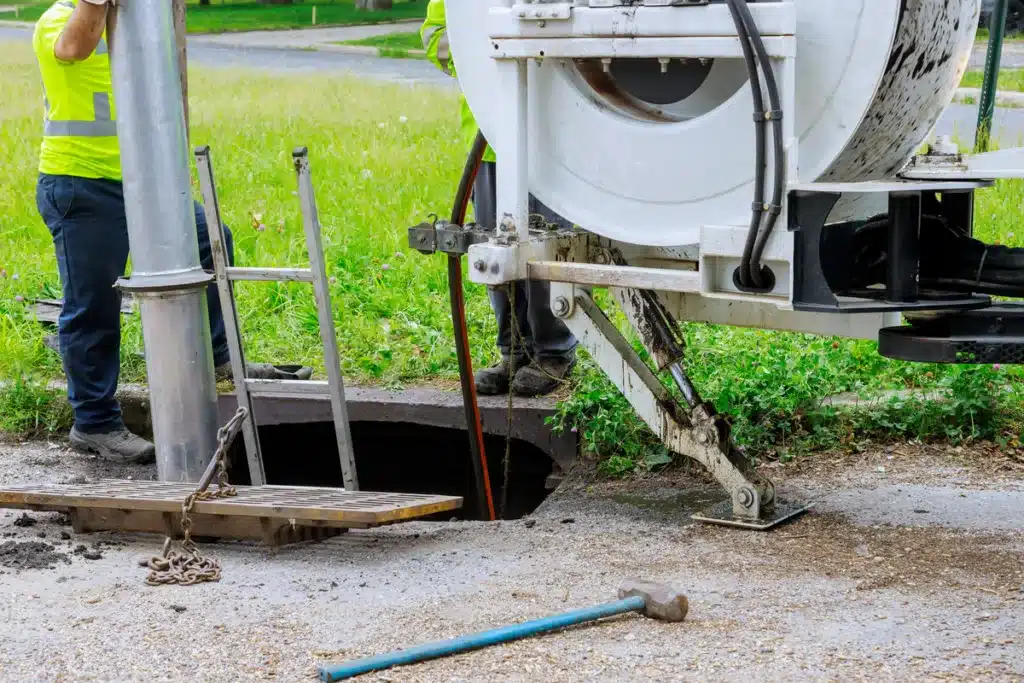
Traditional sewer repair requires a long trench to expose the damaged pipe. Crews dig across the affected area, remove the old line, and install a new one before restoring the surface.
This method is sometimes necessary when:
- Pipes are severely collapsed or misaligned
- The sewer line has multiple problem areas
- Access points for trenchless equipment are limited
However, excavation often comes with added challenges. Landscaping, driveways, patios, and walkways may need to be removed and rebuilt, which can increase both project time and total cost.
How Trenchless Sewer Replacement Works
Trenchless sewer replacement uses advanced equipment to repair or replace pipes through small access points rather than a continuous trench. After a camera inspection, technicians choose the most effective method, such as pipe bursting or pipe lining.
Because the work happens below ground with minimal surface disruption, homeowners can restore sewer function without major reconstruction. Professional trenchless sewer replacement services are designed to solve serious sewer problems while preserving the surrounding property.
Key Differences Homeowners Should Consider
Choosing between trenchless and traditional repair depends on your specific situation. A side-by-side comparison helps clarify what to expect.
1. Property Impact
Traditional excavation can affect large areas of your yard and hardscaping. Trenchless methods typically require only small access points, which helps preserve landscaping and outdoor features.
2. Project Timeline
Excavation projects often take longer due to digging and restoration work. Trenchless repairs are usually completed faster once the inspection and planning are complete.
3. Overall Cost Considerations
While trenchless methods may appear similar in price upfront, traditional excavation can lead to higher total costs when you factor in restoring driveways, patios, and landscaping.
4. Long-Term Performance
Modern trenchless materials are designed to resist corrosion and root intrusion. In many cases, they provide a durable, long-term solution for sewer line issues.
When Trenchless May Not Be the Best Option
Although trenchless sewer replacement is effective in many cases, it is not always the right solution. If the pipe is completely collapsed, severely offset, or inaccessible, excavation may still be required.
This is why a professional inspection is critical. A camera evaluation ensures the repair method is based on actual pipe conditions rather than guesswork. Homeowners dealing with recurring backups or slow drains may first notice early warning signs that point to deeper sewer issues, which can often be traced back to problems within the main line, as explained in our guide on recurring drain clogs and their causes.
Why Inspection and Expertise Matter
Sewer systems are complex, and choosing the wrong repair approach can lead to ongoing issues. A qualified technician evaluates:
- Pipe condition and material
- Location and severity of damage
- Accessibility of the sewer line
- Long-term reliability of each solution
According to the Environmental Protection Agency, proper maintenance and rehabilitation of wastewater systems help reduce failure rates and extend infrastructure lifespan.
Working with an experienced team ensures the repair is done correctly the first time, which helps prevent repeat problems and additional costs.
Making the Right Choice for Your Home
Both trenchless and traditional sewer repair have their place, but the right choice depends on your home’s specific conditions. Trenchless solutions are often preferred when minimizing disruption and preserving property are priorities, while excavation may still be necessary for more severe structural damage.
If you are unsure which option is right for your situation, a professional evaluation provides the clarity you need. Ehret Plumbing & Heating can inspect your sewer line, explain your options in clear terms, and recommend a solution that protects your home and your investment. Scheduling an inspection early can help you avoid larger problems and restore your plumbing system with confidence.
