When sewer problems begin, homeowners often see the symptoms before they understand the cause. Recurring backups, slow drains, foul odors, or soggy areas in the yard may signal a serious issue underground. Before recommending a repair, a plumber needs to know what is actually happening inside the sewer line.
A sewer camera inspection provides that visibility. It helps identify damage, locate blockages, and determine whether trenchless sewer replacement is the right solution for your home.
What Is a Sewer Camera Inspection?
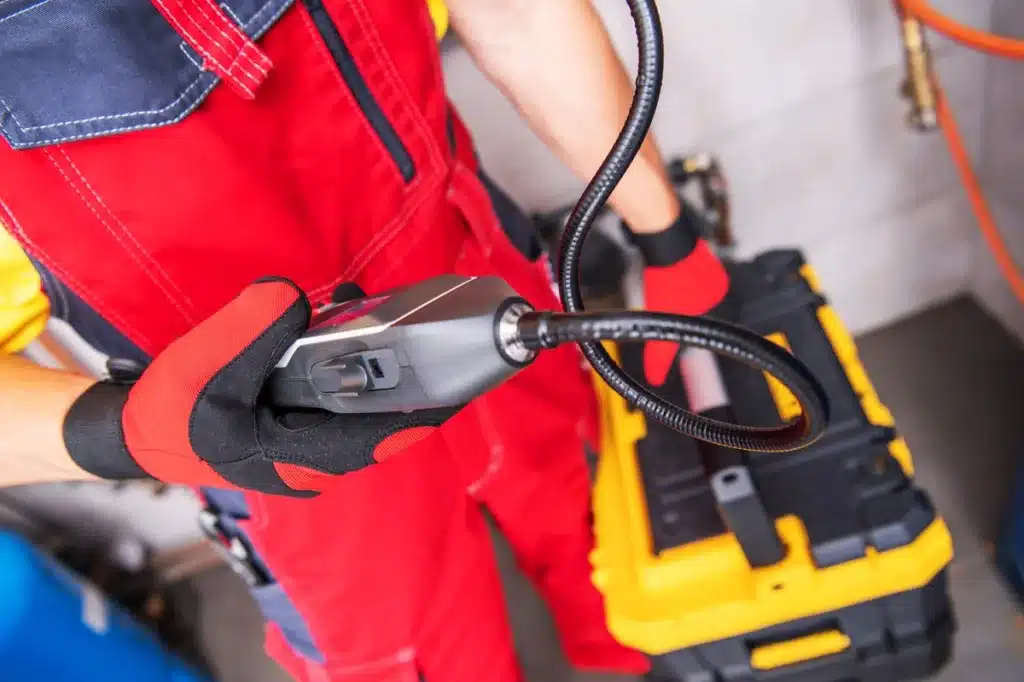
A sewer camera inspection uses a small waterproof camera attached to a flexible cable. The technician feeds the camera through an accessible cleanout or another appropriate entry point in the plumbing system. As the camera moves through the sewer line, it sends video footage to a monitor above ground.
This allows the plumber to inspect areas that would otherwise remain hidden beneath landscaping, concrete, or soil. Rather than making assumptions based only on symptoms, the technician can evaluate the condition of the line and explain what the footage shows.
What Problems Can a Camera Inspection Find?
Sewer lines can fail for several reasons, especially in older homes or properties surrounded by mature trees. A camera inspection may reveal:
- Roots entering through pipe joints or cracks
- Grease, debris, or heavy buildup restricting flow
- Cracked or deteriorated pipe material
- Offset joints caused by soil movement
- Low sections where wastewater collects
- Partially or fully collapsed pipe sections
These findings help separate a routine blockage from a structural problem. For example, heavy buildup may be addressed through cleaning, while a damaged or failing line may require repair or replacement.
Homeowners noticing repeated clogs may also benefit from understanding when a clogged drain may point to a sewer issue, especially when more than one fixture is affected.
Many of these problems start with symptoms homeowners notice inside the house first, like slow drains or sewer odors. Our plumbing solutions guide for Bay Area homes connects those everyday warning signs to the sewer, drain, and water line issues behind them.
Why Inspection Matters Before Trenchless Replacement
Trenchless sewer replacement is designed to repair or replace damaged lines through small access points rather than a long open trench. However, not every sewer problem requires replacement, and not every damaged line is suitable for the same trenchless method.
Camera footage helps the plumber decide whether the pipe is a candidate for pipe lining, pipe bursting, targeted repair, cleaning, or traditional excavation. For example, pipe lining may be appropriate when an existing line still has enough structure to support a new interior liner. If a pipe is severely collapsed or misaligned, a different plan may be necessary.
A diagnosis based on clear video evidence helps homeowners avoid paying for unnecessary work. It also provides a better understanding of why a particular recommendation is being made. To learn more about how modern methods limit digging, homeowners can review repair options that reduce property disruption.
What Should Homeowners Expect During the Inspection?
A sewer camera inspection is generally a straightforward process. The technician will first ask about symptoms, such as where backups occur, how frequently clogs return, and whether odors or outdoor wet spots have appeared.
Next, the technician locates a suitable access point and guides the camera through the line. Once the inspection is complete, the plumber can discuss the findings and recommend the next step.
Depending on what is discovered, recommendations may include:
- Cleaning the line to remove buildup or debris
- Addressing root intrusion before damage worsens
- Repairing a limited damaged section
- Replacing a failing sewer line through trenchless methods
- Scheduling additional work if access, permits, or testing are required
In Oakland, property owners are responsible for the private sewer lateral connecting their building to the public sanitary sewer main, according to the City of Oakland. That makes early inspection especially important when symptoms suggest the line may be damaged.
FAQs About Sewer Camera Inspections
Can a camera inspection clear a clog?
No. A camera inspection identifies what is causing the problem and where it is located. Cleaning equipment or repair work is needed to remove a blockage or correct damage.
Does every sewer backup mean I need replacement?
No. Some backups result from debris or buildup that can be cleared. Replacement may be recommended when the inspection confirms cracks, collapse, severe offsets, or other structural damage.
Should I ask to see the footage?
Yes. Reviewing the footage helps you understand the condition of the pipe and the reason behind any proposed repair.
Start With a Clear Diagnosis
Sewer repairs should begin with facts, not guesswork. A camera inspection helps identify the cause of recurring problems and provides the information needed to choose the right repair method.
Ehret Plumbing & Heating can inspect your sewer line, explain the findings clearly, and determine whether cleaning, repair, or trenchless sewer replacement is appropriate for your home. If you are experiencing backups, recurring clogs, or other warning signs, schedule a sewer inspection today to address the issue before it leads to more extensive damage.
